




Water storage is not something you want to get wrong. Whether you manage a construction site, agricultural land, or a residential project, the quality of your water tank directly impacts safety, cost, and long-term performance.
Many people focus on price first. That’s understandable. But here’s the truth: a cheaper tank often costs more over time. Repairs, replacements, and water contamination issues can quickly add up.
That’s where concrete water tanks stand out.
In this article, we’ll break down the real benefits of choosing concrete tanks, explain why durability matters, and help you understand why working with a reliable concrete water tank manufacturer can make all the difference.
What is a Concrete Water Tank?
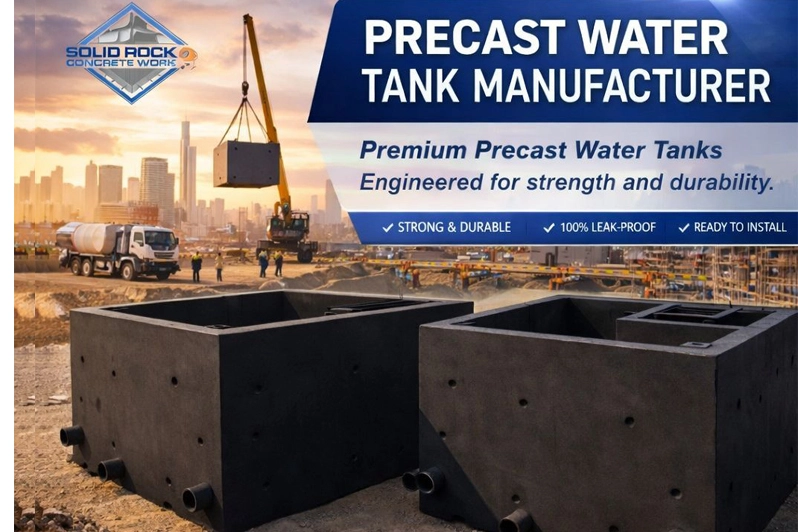
A concrete water tank is a storage structure made from reinforced concrete, designed to store potable or non-potable water safely.
Manufacturers build these tanks either on-site or as precast units in controlled environments. Both methods ensure strong structural integrity and long-lasting performance.
Unlike plastic or steel tanks, concrete tanks offer a solid, stable solution that performs well under harsh environmental conditions—especially in regions like the UAE.
Why Durability Matters in Water Storage
Let’s keep it simple: water storage is a long-term investment.
You don’t install a tank expecting to replace it every few years. Durability ensures:
- Consistent water quality
- Lower maintenance costs
- Structural safety
- Resistance to environmental stress
According to engineering guidelines from the American Concrete Institute, properly designed and cured concrete structures can last for decades with minimal maintenance.
That’s not marketing hype. That’s proven civil engineering.
Key Benefits of Concrete Water Tanks
- Exceptional Strength and Longevity
Concrete tanks handle pressure better than most materials. They resist cracking, deformation, and external loads.
This makes them ideal for:
- Underground installations
- Large-capacity storage
- Industrial and municipal use
A high-quality concrete water tank manufacturer will use reinforced steel and proper curing techniques to enhance strength even further.
- Superior Temperature Control
Concrete acts as a natural insulator. It keeps stored water cooler compared to plastic tanks exposed to sunlight.
In hot climates like the UAE, this matters a lot.
Cooler water reduces bacterial growth and maintains better water quality over time.
- Minimal Maintenance Requirements
No one enjoys frequent repairs. Concrete tanks reduce that headache.
They:
- Resist UV damage
- Do not rust like steel
- Avoid warping seen in plastic tanks
With proper installation, maintenance remains minimal for years.
- Enhanced Water Safety
Water contamination is a serious concern.
Concrete tanks help prevent:
- Chemical leaching (common in low-quality plastic tanks)
- External contamination due to strong sealing
- Algae growth due to limited light penetration
Organizations like the World Health Organization emphasize the importance of safe storage materials in maintaining drinking water quality.
Concrete meets those expectations when designed correctly.
- Fire and Weather Resistance
Concrete does not burn. It also withstands extreme weather conditions, including:
- High temperatures
- Sandstorms
- Heavy loads
This makes it a reliable option for both urban and remote installations.
- Eco-Friendly and Sustainable Choice
Concrete offers a longer lifecycle compared to other materials.
That means:
- Fewer replacements
- Lower material waste
- Reduced environmental impact over time
Sustainability is not just a buzzword anymore. It’s a requirement.
Concrete vs Plastic vs Steel Tanks
Let’s compare quickly:
| Feature | Concrete | Plastic | Steel |
| Lifespan | 30–50+ years | 10–15 years | 15–20 years |
| Maintenance | Low | Moderate | High (rust risk) |
| Temperature Control | Excellent | Poor | Moderate |
| Strength | Very High | Low | High |
| Cost (Long-term) | Cost-effective | Expensive over time | Moderate |
Concrete may cost more upfront, but it wins in long-term value.
Why Choosing the Right Manufacturer Matters
Not all tanks are created equal.
A reliable concrete water tank manufacturer ensures:
- Proper mix design
- Quality reinforcement
- Compliance with local and international standards
- Accurate installation
Choosing the wrong supplier can lead to cracks, leaks, and costly repairs.
Always look for:
- Experience in the UAE market
- Compliance with engineering standards
- Positive client feedback
- Transparent project portfolio
Applications of Concrete Water Tanks
Concrete tanks serve multiple industries:
Residential Use
Homeowners use them for water storage, irrigation, and emergency supply.
Commercial Projects
Hotels, malls, and offices require large, reliable storage systems.
Industrial Facilities
Factories depend on stable water supply for operations.
Agriculture
Farmers use concrete tanks for irrigation and livestock needs.
Installation: What to Expect
Installation depends on the tank type:
Precast Tanks
- Manufactured off-site
- Delivered and installed quickly
- Consistent quality
Cast-in-Situ Tanks
- Built directly on-site
- Ideal for large or customized designs
- Requires skilled labor
A professional concrete water tank manufacturer will guide you through the best option based on your project.
Common Misconceptions About Concrete Tanks
Let’s clear a few myths:
“Concrete tanks are too expensive.”
They cost more initially, but save money over time.
“They crack easily.”
Only poorly constructed tanks crack. Quality construction prevents this.
“Plastic tanks are easier.”
Easier, yes. Better? Not always.
Cost vs Value: The Real Perspective
Think of it this way:
Would you rather pay once or keep paying repeatedly?
Concrete tanks offer:
- Long-term savings
- Reduced maintenance
- Better performance
That’s value—not just cost.
How to Maintain a Concrete Water Tank
Even durable systems need basic care:
- Inspect for minor cracks annually
- Clean periodically to avoid sediment buildup
- Ensure proper sealing
Simple steps can extend the lifespan even further.
Final Thoughts
Choosing the right water tank is not just a technical decision—it’s a smart investment.
Concrete water tanks offer unmatched durability, safety, and long-term value. They perform well in extreme climates and require minimal maintenance.
If you want reliability without constant repairs, concrete is the clear winner.
And remember, the quality of your tank depends heavily on your supplier. Always choose a trusted concrete water tank manufacturer who follows proper standards and delivers proven results.