When it comes to construction, you would always hear three words from anyone: cost, time and quality. And for foundations, cost is a critical consideration. After all, you are not just purchasing a product but something that holds everything together. This is where precast concrete foundation blocks come in. They are popular in the UAE due to their efficiency, uniformity and ease of use. However, the real question that contractors and developers want to know is: how much do they cost?
The short answer – it’s different. The better answer, it depends on a variety of factors and knowing those factors allows you to make an informed decision. Let’s make sense of it with some logic, practical construction processes and standard industry practices.
What is a Precast Concrete Foundations Blocks?
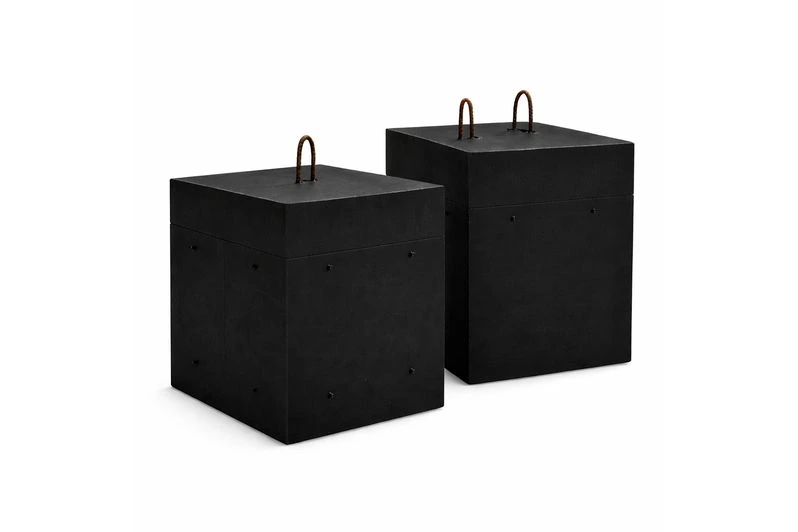
A precast concrete foundation block is a precast, reinforced concrete block used to bear load. The blocks are produced in a factory and then delivered to the job site.
They are commonly used in:
Residential buildings
Villas and low-rise buildings
Industrial foundations
Infrastructure projects
Precast blocks have the following advantages over conventional cast-in-place foundations:
Faster installation
Consistent quality
Reduced on-site labor
The National Precast Concrete Association (NPCA) says factory production enhances consistency and reduces the variance of concrete. Put simply – what you install works.
Average Price of Precast Concrete Foundation Blocks in UAE
Now, to the business side – cost.
In the UAE, the price of precast concrete foundation blocks ranges from:
AED 150 – AED 800 per block (rough estimate)
The cost may increase for larger or specialised foundations based on design and load considerations.
But, here’s the thing, it’s not a fixed rate. This is a variable price with several factors at play.
Key Factors That Affect Cost
1. Size and Dimensions
Bigger blocks require:
More concrete
More reinforcement
Larger molds
This directly increases production cost.
For instance, a small foundation block will be cheaper than one made for industrial use to bear high loads.
2. Load-Bearing Requirements
Foundation blocks are not all equal.
Blocks designed for:
Heavy equipment
Multi-storey buildings
Industrial loads
Need more steel and better concrete quality.
The American Concrete Institute (ACI) stresses that design influences material properties and performance. Higher strength equals higher cost, and greater safety.
3. Concrete Mix Design
The mix design varies according to performance.
A common mix comprises:
Cement
Aggregates
Water
Admixtures
The Portland Cement Association (PCA) notes that good mix design enhances durability and strength.
Better-quality concrete mixes are more expensive, but they also have greater durability and strength.
4. Reinforcement Steel Content
Reinforcement steel is important for:
Load resistance
Crack prevention
Structural stability
The more steel, the more expensive. But we don’t want to skimp here.
When it comes to foundations, strength is a must.
5. Manufacturing Quality
High-quality manufacturers invest in:
Controlled production environments
Automated systems
Quality testing
These procedures marginally raise costs but provide:
Better durability
Consistent performance
Reduced defects
The NPCA notes that quality control also mitigates future risks and enhances structural performance.
6. Customization Requirements
Standard blocks are more affordable.
Foundation blocks that are custom-designed might have:
Special dimensions
Embedded fittings
Unique shapes
Customization increases:
Design complexity
Production time
Overall cost
But it will improve project fit and ease installation.
7. Transportation and Logistics
Transportation costs are a significant part of the cost in the UAE.
Factors include:
Distance from factory to site
Size and weight of blocks
Crane and handling requirements
Large blocks need specific transport, adds cost.
Yes, even the perfect block is not much good if it’s not delivered to site on time.
8. Installation Requirements
Although precast blocks save time, there are costs:
Crane lifting
Alignment
Foundation preparation
Yet, installation is much quicker compared to cast-in-place foundations and can be cost-effective.
Precast Foundation vs Traditional Foundations: The Cost
Let’s talk numbers.
Precast Foundation Blocks
Higher upfront cost per unit
Faster installation
Lower labor cost
Minimal site delays
Cast-in-Place Foundations
Lower material cost initially
Longer construction time
Higher labor dependency
Weather-related delays
The American Society of Civil Engineers (ASCE) observes that efficient building with long-term durability decreases costs.
So although precast may be more expensive initially, costs are reduced over the project life cycle.
Precast’s Hidden Cost Benefits
1. Time Savings
Precast allows parallel work:
Blocks are manufactured off-site
Foundation work progresses at the same time
This shortens the construction time.
And in the UAE construction industry, time is money.
2. Reduced Labor Costs
Less on-site work means:
Smaller teams
Lower supervision needs
Fewer errors
Wages are increasing in the UAE, this is important.
3. Minimal Material Waste
Factory production ensures:
Accurate material usage
Reduced wastage
The NPCA reports that precast systems create less wastage than conventional systems.
4. Improved Quality Control
Controlled environments eliminate:
Weather impact
On-site inconsistencies
This minimises rework and repair costs.
5. Long-Term Durability
Precast foundation blocks are designed for:
High strength
Environmental resistance
Long service life
According to the ACI, concrete structures can be designed to have a long service life with little maintenance.
Common Mistakes That Increase Costs
Even the pros make cost mistakes.
Opting for Cheapest
Cheaper is not always better.
Ignoring Supplier Quality
Defects and rework increase costs.
Underestimating Logistics
Late deliveries can add to the cost.
Skipping Design Optimization
The wrong design means waste of materials.
How to Select a Supplier in UAE
Price matters, but not more than value.
1. Check Standards Compliance
Ensure adherence to:
ACI
ASTM International
These ensure quality and safety.
2. Evaluate Manufacturing Quality
Look for:
Controlled production
Proper curing
Regular testing
3. Review Project Experience
Select suppliers that have experience in:
Residential projects
Infrastructure works
Industrial applications
4. Assess Delivery Capability
Time is of the essence.
Check:
Production capacity
Logistics systems
Delivery timelines
5. Look for Technical Support
Reliable suppliers provide:
Design assistance
Installation guidance
Engineering support
This reduces costly errors.
Precast Foundation Blocks: A Good Choice for UAE
The UAE environment demands:
Strength
Speed
Reliability
All three are achieved with precast systems.
They:
Resist high temperatures
Perform well in sandy soils
Support fast-track construction
This makes them a popular choice in residential and infrastructure.
Final Thoughts
So, what is the cost of precast concrete foundation blocks in the UAE?
Well, it depends.
But the better question is – value, not cost.
A good precast solution gives you:
Faster construction
Consistent quality
Long-term durability
Lower lifecycle costs
Choose the right supplier. Design to the standards. Plan installation carefully.
If you do that, your foundation will just get along for years without you having to worry about cracks, leaks or other problems.
And after all, who doesn’t love someone (or something!) that does its job without complaining.