get in touch
About Us
Our commitment to quality and customer satisfaction sets us apart. Whether you’re planning a small project or a large-scale construction, we have the solutions you need.
Contact Us
- Call Us: +971558516532 / +971565200005
- Email: info@srcprecasts.com
- Address: Umm Al Quwain, Al Raafah Sector 5, Umm Dera Area Number 2, Plot 1353
Used Precast Concrete Barrier
- Home
- Used Precast Concrete Barrier
Transforming landscapes with over 3 years of experience.
About Us
Our commitment to quality and customer satisfaction sets us apart. Whether you’re planning a small project or a large-scale construction, we have the solutions you need.
Contact Us
-
Call Us: +971565200005
Call Us: +971558516532
Email: info@srcprecasts.com
Used Precast Concrete Barriers in UAE | Factory-Direct Supplier
Buy used concrete barriers in the UAE. Inspected, QA/QC-tested units, factory-direct pricing, fast delivery across Abu Dhabi, Dubai & the Northern Emirates.

Our Facilities
At SRC Precast, our state-of-the-art facilities are equipped with cutting-edge technology to manufacture precast systems with precision and efficiency. Our facilities not only meet but exceed industry standards, enabling us to provide customized solutions that meet the unique requirements of any project.
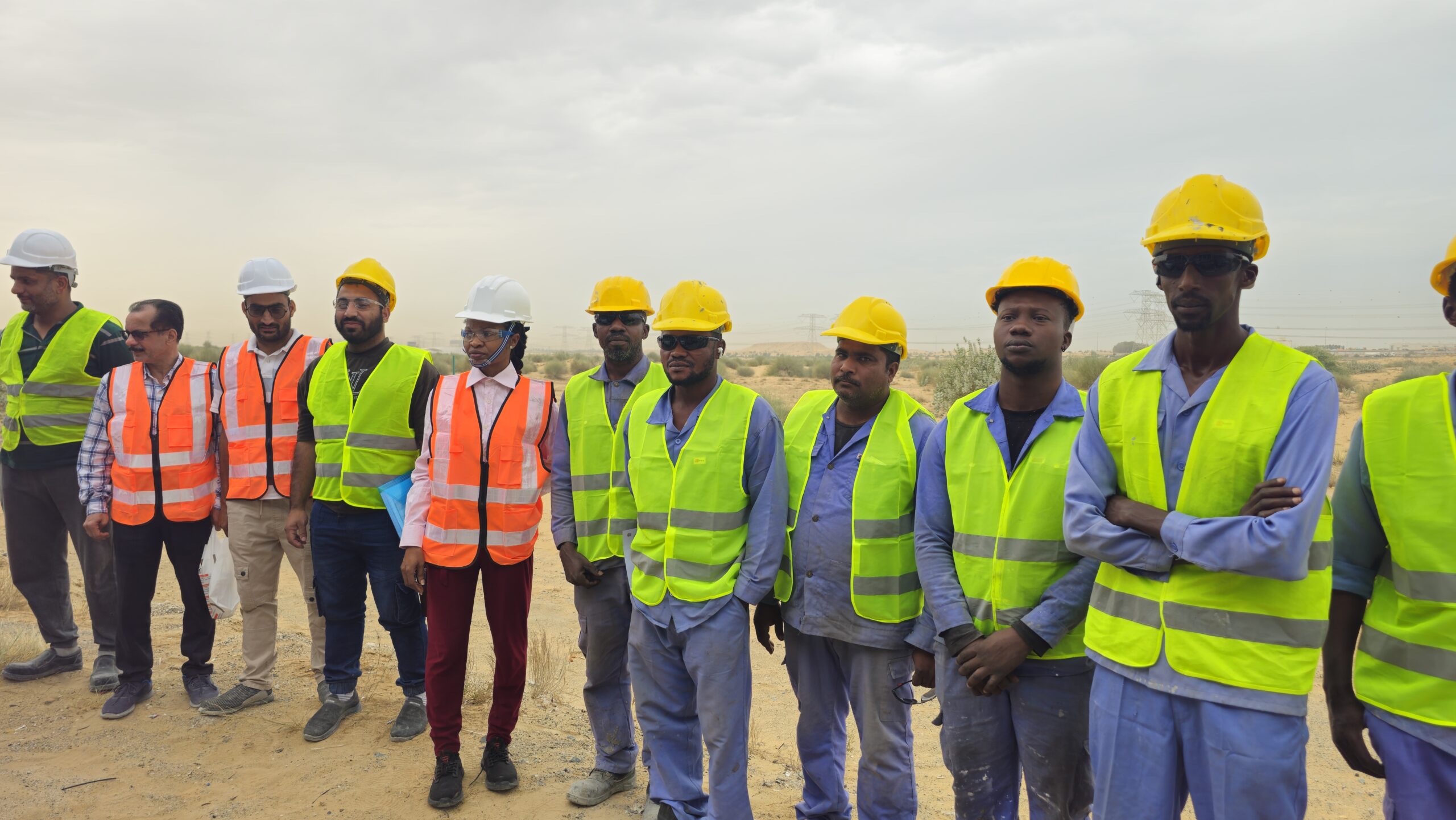
Our Staff
Our team consists of experienced professionals dedicated to delivering exceptional solutions for your construction needs. From design experts to project managers, our staff is passionate about innovation and committed to maintaining the highest standards of quality and service. At SRC Precast, we work as a united team to ensure that every project is executed with precision and care.

Our Plans
We are committed to growth and continuous improvement. Our plans include expanding our capabilities to support larger, more complex projects, while maintaining our unwavering focus on quality and sustainability. By collaborating with clients, partners, and industry leaders, we aim to stay at the forefront of the precast construction industry, delivering value-added services that contribute to long-term success.
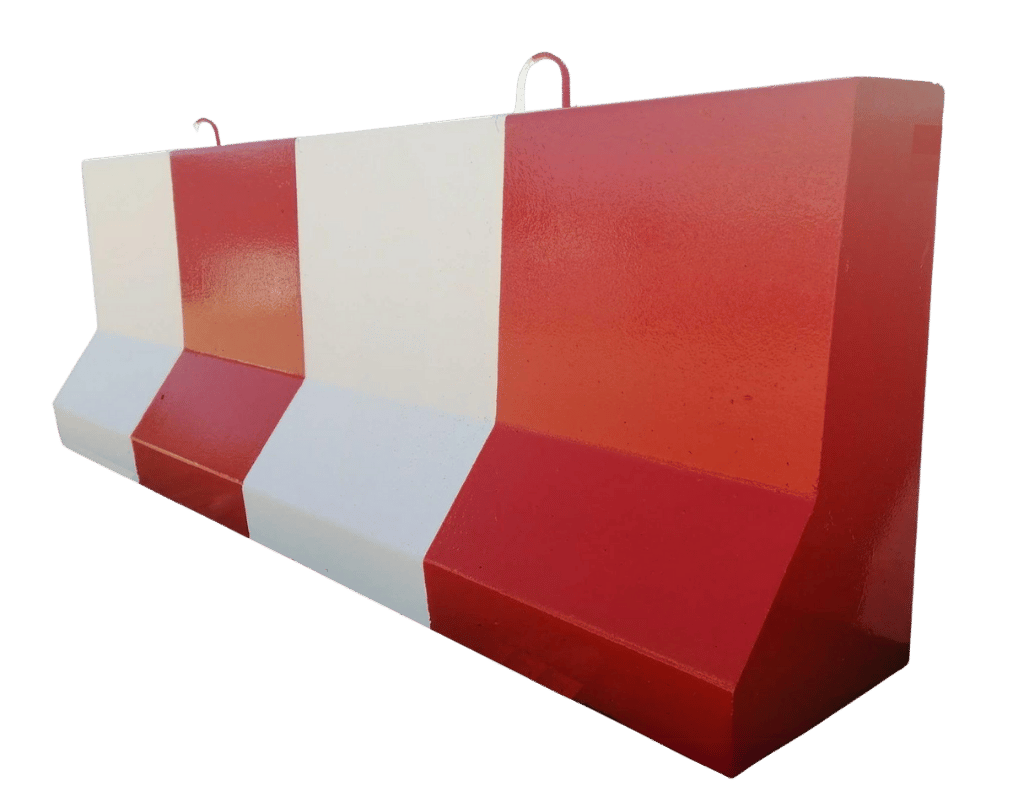
Single-Side-Concrete-Barriers
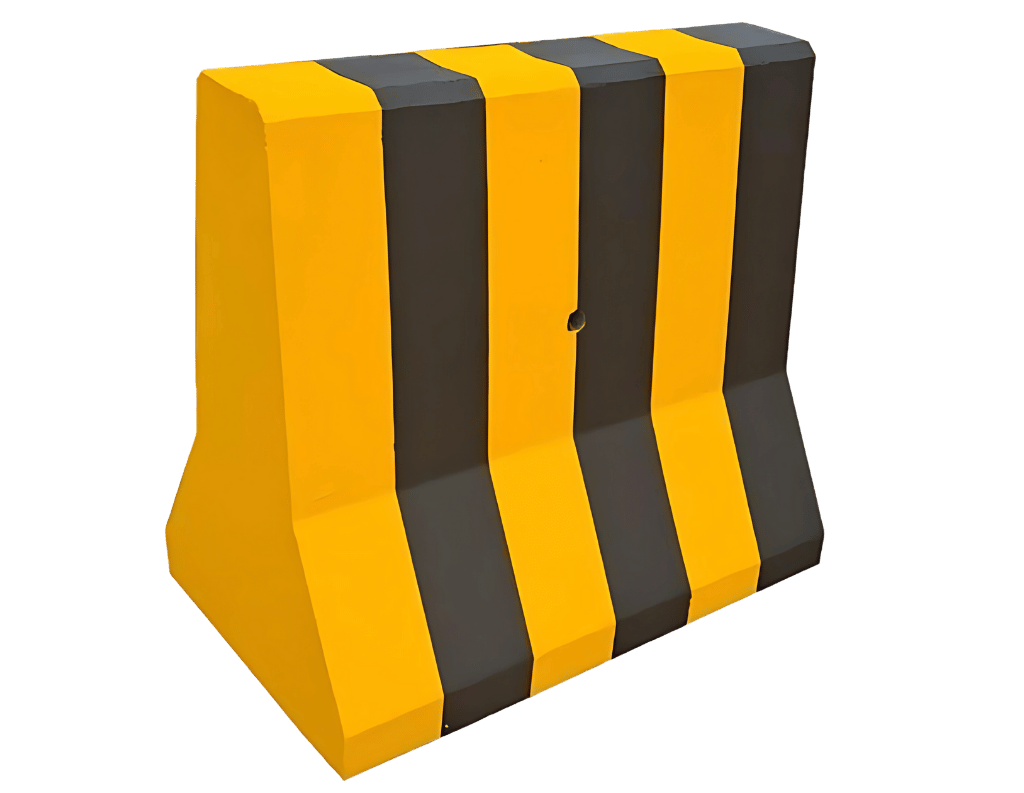
Double-Side-Concrete-Barrier
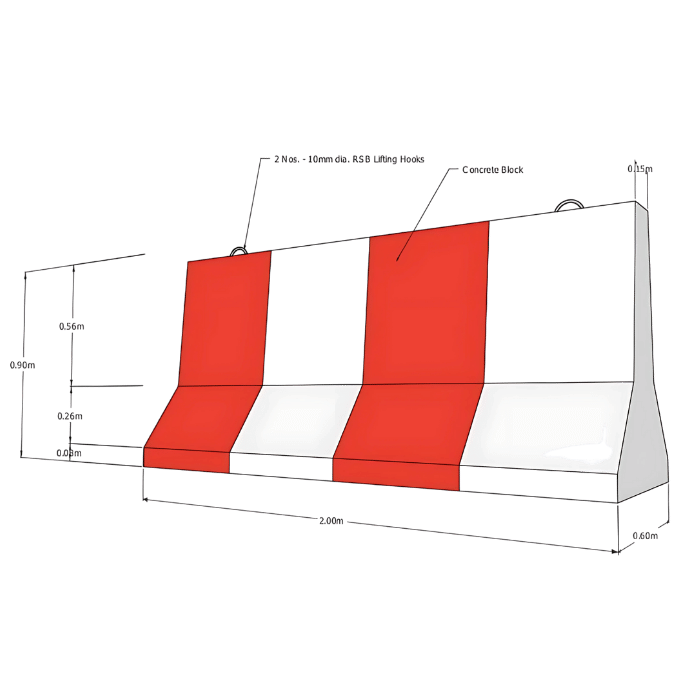
Double-Sided-2-mtr-Concrete-barrier
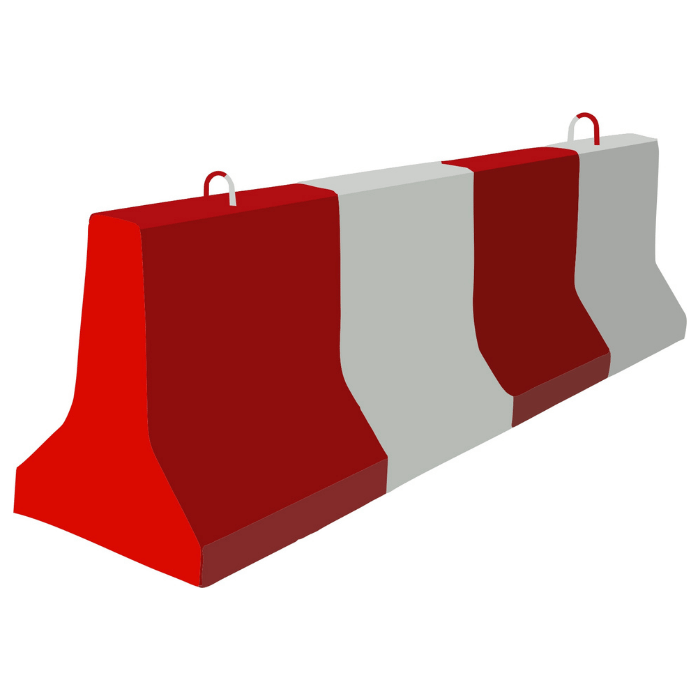
Double-Sided-3-mtr-Concrete-Barrier
Applications of Precast Concrete Barriers in Dubai, Abu Dhabi & Across the UAE
Road Safety Barriers
Designed for lane separation on highways, roads, and active construction zones, our precast concrete road barriers deliver reliable protection for drivers and pedestrians throughout Dubai, Abu Dhabi, and Sharjah.
Construction Site Barriers
Keep construction sites secure with durable barriers that prevent unauthorized access and maintain a safe working environment, serving key UAE cities including Ajman, Ras Al Khaimah, and Umm Al Quwain.
Public Infrastructure Projects
Our precast concrete barriers are well suited to public infrastructure projects, offering a robust solution for protecting roadways, bridges, and tunnels during construction in areas like Umm Al Quwain and Sharjha
Event & Temporary Barriers
When events or temporary roadwork call for adaptable protection, our temporary concrete barriers offer a reliable option that's easy to reposition for traffic or crowd control in Dubai, Sharjah

Used Precast Concrete Barriers — Factory-Direct Across the UAE
If you are sourcing used precast concrete barriers in the UAE, buying factory-direct from a manufacturer rather than a third-party reseller gives you better pricing, verified inspection standards, and access to bulk stock for highway projects, RTA works, municipal contracts, construction sites, and event traffic management. We supply a full range of used and refurbished concrete barriers — including Jersey barriers, K-Rail barriers, interlocking barriers, and temporary road safety barriers — with UAE-wide delivery to Dubai, Abu Dhabi, Sharjah, Ajman, Umm Al Quwain, Ras Al Khaimah, Fujairah, and Al Ain.
[Get a Quote] | [WhatsApp Us Now] | [Call Our Sales Team]
- Factory Direct Supplier — no third-party markup
- Large used-barrier inventory held in stock
- Bulk order pricing for large-volume projects
- Fast UAE-wide delivery, including expedited options for urgent site needs
What Are Used Precast Concrete Barriers?
Used precast concrete barriers are concrete traffic and safety barriers that have already served on a previous project — a completed road diversion, a finished construction site, a past event, or a temporary traffic management deployment — and have since been recovered, inspected, and made available for resale or further use. Unlike newly manufactured barriers, used barriers carry visible signs of prior service, such as minor surface marks, weathering, or small chips, but this does not automatically mean reduced structural performance. A used barrier that has been properly inspected retains the same core function as a new one: separating traffic lanes, protecting workers and pedestrians from vehicle intrusion, and channelling traffic safely through work zones, diversions, and restricted areas.
The used barrier market exists because concrete barriers are, by design, built to be reusable. A barrier deployed for a six-month road diversion in one emirate can, once that project concludes, be relocated, inspected, and redeployed on an entirely different project elsewhere in the UAE — provided it passes the structural checks needed to confirm it remains fit for purpose. This reuse cycle is what makes used precast concrete barriers a practical, budget-conscious option for contractors managing short-to-medium duration projects where a brand-new, unmarked barrier is not a strict requirement.
It is worth distinguishing “used” from “refurbished” at the outset, since the two terms are often used loosely in the market. A used barrier is sold largely as recovered from its prior deployment, following inspection, with only essential safety-related repairs carried out. A refurbished barrier goes a step further, typically including surface repair, crack patching, and sometimes repainting, to restore a more consistent visual finish alongside the same structural verification. Both categories are covered on this page, since many buyers evaluate them side by side when deciding what best fits their project and budget.
Types of Used Precast Concrete Barriers
Jersey Barriers
Jersey barriers are the most recognizable and widely used precast concrete barrier profile, identifiable by their sloped lower sides that taper outward toward the base. This shape is not purely aesthetic — it is engineered to redirect a vehicle’s tyres back toward the roadway on minor impact, reducing the risk of a vehicle vaulting or rolling over the barrier at low-to-moderate speeds. Used Jersey barriers are commonly sourced from completed highway projects, road widening works, and long-duration diversions, and remain one of the most requested used-barrier types across UAE road and construction projects due to their proven crash-redirection performance and wide compatibility with existing barrier runs.
K-Rail Barriers
K-Rail barriers share a similar overall profile to Jersey barriers but are generally associated with a specific structural standard originating from Caltrans-style specifications, often featuring a particular reinforcement and connection detailing. In UAE projects, “K-Rail” is frequently used interchangeably with Jersey barrier terminology by contractors, though technical buyers sourcing to a specific standard should confirm exact reinforcement and connection specifications before ordering. Used K-Rail barriers are typically sourced from infrastructure and highway projects and are well suited to applications requiring a proven, standardized barrier profile.
Interlocking Barriers
Interlocking barriers are designed with a pin-and-socket or tongue-and-groove connection system at each end, allowing individual barrier sections to be joined into a continuous, stable run without independent anchoring at every unit. This interlocking design is what allows barrier runs of significant length to maintain lateral stability as a connected system rather than as isolated blocks. Used interlocking barriers are particularly valuable for contractors extending or modifying an existing barrier run, since matching connection types between new stock and existing on-site barriers ensures full compatibility along the same line.
Road Safety Barriers
“Road safety barrier” is a broader category encompassing any precast concrete barrier deployed specifically to manage vehicle and pedestrian safety around a hazard, work zone, or traffic transition point — including applications on highways, urban roads, and site perimeters. Used road safety barriers in this category are sourced from a wide range of prior deployments, including RTA-managed road projects, municipal works, and private construction sites, and are inspected against the same structural criteria regardless of their specific original application.
Refurbished Barriers
As noted above, refurbished barriers are used units that have undergone a more thorough restoration process, including crack repair, surface patching, and in many cases repainting, in addition to the standard structural inspection applied to all used stock. Refurbished barriers sit as a middle ground between used and new — offering a more consistent visual finish than as-is used stock, at a price point still below new production, making them a popular choice for projects where appearance matters more but budget still rules out new barriers.
Temporary Barriers
Temporary barriers refer less to a distinct structural type and more to the intended deployment duration and use case — short-term road diversions, event traffic management, site access control, and short-duration construction phases. Used barriers are especially well suited to temporary applications, since the deployment is by definition non-permanent, and the cost efficiency of used stock aligns naturally with a project timeline that does not require a barrier to remain in place indefinitely.
Height
Refurbished concrete barriers are available in a range of standard sizes to suit different traffic management and site containment needs. Shorter sections are typically used for tight site boundaries, pedestrian walkway separation, and temporary parking restrictions, while longer sections are better suited to highway diversions and large-scale road works where fewer joints between units are preferred for structural continuity. Custom lengths can also be arranged on request, subject to availability of suitable refurbished stock. Every unit, regardless of size, retains the same interlocking pin-and-socket connection system used in new barriers, allowing refurbished sections to be linked seamlessly with both new and other refurbished units on site.
Width
The base width of a concrete barrier contributes directly to its overall stability and resistance to lateral displacement on impact. Wider base sections generally offer greater resistance to tipping or sliding, which is particularly relevant for barriers deployed in higher-traffic-speed environments or locations exposed to repeated vehicle contact. Used barrier stock should be checked for base width consistency, especially when barriers are being sourced from multiple prior projects or batches, to ensure uniform stability performance along a continuous run.
Length
Standard barrier lengths affect both the number of joints along a given barrier run and the logistics of transport and placement. Shorter sections are easier to manoeuvre into position with lighter lifting equipment and are often preferred for sites with tight access or irregular boundary lines, while longer sections reduce the total number of joints and connection points across a long, straight barrier run, which can support smoother continuity in the containment system. Used stock is often available in a mix of lengths depending on the source project, so confirming available lengths against your project’s layout requirements is an important step before ordering.
Inspection Process and QA/QC
Before any barrier is listed for resale as “refurbished,” it passes through a structured inspection and quality control process. This begins with a visual assessment of the concrete surface, checking for chipping, cracking, spalling, and any exposure of internal reinforcement steel. Units are then checked for structural soundness, confirming that the barrier has not suffered damage that would compromise its load-bearing or impact-resistance performance. Where minor surface damage is found, repair work is carried out using appropriate concrete patching methods before the unit is re-approved. Barriers that fail to meet the required structural or safety threshold at any stage of this process are removed from resale stock rather than passed through as refurbished. This QA/QC discipline is what distinguishes a properly refurbished barrier from simply reselling used stock as-is, and it is the basis on which we stand behind every refurbished unit we supply.
Airport Runway Safety
Our concrete road barriers are also used in airport safety areas.
For example, at Al Maktoum International Airport, we provided barriers to delineate the runway safety area. The barriers meet FAA standards for run-way protection, emphasizing our products’ global relevance.
Weight
Weight directly informs the lifting equipment, transport vehicle capacity, and per-load quantity planning for a project. Used barriers typically retain a weight close to their original manufactured specification, though refurbished units with added surface repair material may carry a marginally different weight. Exact per-unit weight should be confirmed at quotation stage so that site teams can plan crane, forklift, or manual handling requirements accurately ahead of delivery.Choosing between a new and a refurbished concrete barrier largely comes down to project duration, budget, and visual requirements. New barriers offer a uniform, unmarked finish and are typically specified for permanent installations, high-visibility public-facing projects, or contracts where a fresh appearance is a client requirement. Refurbished barriers, by contrast, are the practical choice for short-to-medium duration projects, temporary road diversions, and internal site use, where functional performance matters more than cosmetic finish and where budget efficiency is a priority. Because refurbished units go through the same structural inspection standard described above, contractors are not trading away safety performance by choosing refurbished — they are trading away a portion of the cosmetic finish and, in some cases, availability of very specific custom sizes, in exchange for a lower unit cost and often faster availability from existing stock.
Concrete Grade and Strength
Concrete grade and compressive strength are core structural indicators for any precast barrier, new or used. During inspection, used barriers are assessed to confirm that their structural strength has not degraded below the level required for safe reuse in their intended application. Barriers showing signs of significant strength loss — extensive cracking, spalling exposing reinforcement to a degree that compromises structural integrity, or other visible degradation — are not passed through as usable stock. Confirmed grade and strength data should be requested and documented for any project requiring engineering sign-off or municipality submission.
Reinforcement
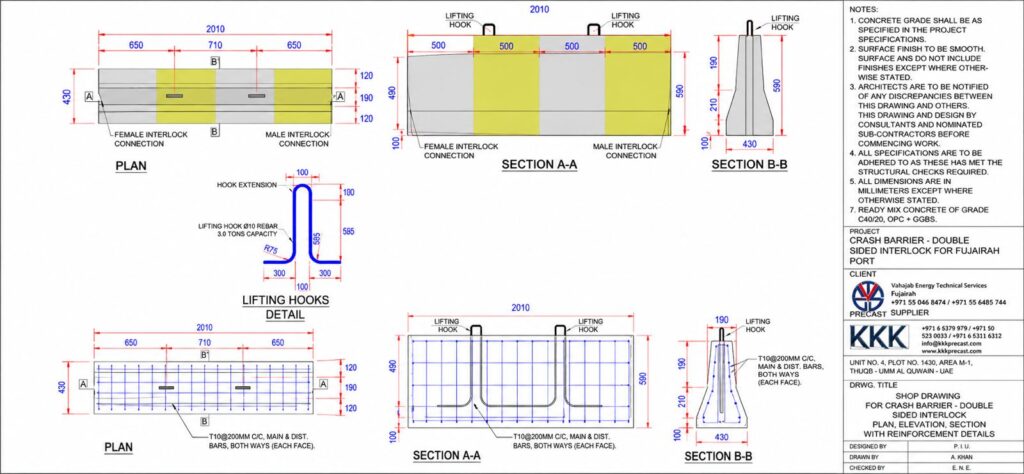
Internal steel reinforcement gives precast concrete barriers their tensile strength and impact resistance, working alongside the concrete’s compressive strength to absorb and redirect vehicle impact forces. During used-barrier inspection, particular attention is paid to reinforcement condition, especially at any point where surface concrete has chipped away and reinforcement steel is partially exposed, since corrosion at these points can, over time, affect structural performance if left unaddressed. Reinforcement exposure identified during inspection is one of the primary triggers for a unit to be routed to the refurbishment/repair process rather than sold as-is.
Lifting Anchors
Cast-in lifting anchors or lifting loops allow barriers to be safely lifted and placed using crane or appropriate lifting equipment, without needing to sling directly around the concrete body. On used barrier stock, lifting anchor condition is checked as part of the inspection process, since a damaged or corroded lifting point presents a direct handling safety risk during placement or relocation. Units with compromised lifting anchors are either repaired prior to resale or, where repair is not structurally reliable, withdrawn from usable stock.
Surface Finish
Surface finish is the most visible distinction between used and refurbished barriers. As-is used barriers retain visible signs of prior service — surface staining, minor chipping, or weathering — while refurbished units have typically had surface damage patched and, depending on the scope of work requested, may be repainted to a more uniform finish. Surface finish does not, on its own, indicate structural condition, which is why the inspection and QA/QC process described in the next section is the more reliable indicator of a barrier’s true condition and suitability for reuse.
Manufacturing and Refurbishment Process
Every used barrier passed through to resale stock follows a structured process, whether it is sold as-is following inspection or routed through a more complete refurbishment. This process exists to ensure that “used” does not mean “unverified” — every unit reaching a customer has been assessed against defined structural and safety criteria.
Get a Quote — Request pricing for your required quantity and delivery location. Call Us (+971558516532) — for fast, direct communication on stock availability and urgent orders. UAE-Wide Delivery — Factory-direct dispatch to all seven emirates. Factory Direct — Supplied directly from our production and refurbishment facility, with no third-party markup.
Barrier Comparison Table
Example:
| Feature | New Barrier | Refurbished Barrier |
|---|---|---|
| Cost | Higher | Lower |
| Availability | Made to Order | Usually In Stock |
| Delivery | Longer | Faster |
| Best For | Permanent Projects | Temporary Projects |
| Paint | New | Refurbished |
| Structural Inspection | New | Yes |
Inspection
The process begins with a full visual and structural inspection of each recovered barrier. This includes checking for cracking, spalling, exposed or corroded reinforcement, lifting anchor condition, and any deformation that may have occurred during prior use or transport. Units are assessed individually rather than by batch, since condition can vary meaningfully even among barriers sourced from the same original project.
Cleaning
Barriers passing initial inspection are cleaned to remove surface dirt, residue, and any loose debris accumulated during their prior deployment and storage. Cleaning also makes it easier to carry out an accurate secondary inspection, since dirt and staining can otherwise obscure fine surface cracking or early-stage reinforcement exposure that would not be visible on an unwashed unit.Cast-in lifting anchors or lifting loops allow barriers to be safely lifted and placed using crane or appropriate lifting equipment, without needing to sling directly around the concrete body. On used barrier stock, lifting anchor condition is checked as part of the inspection process, since a damaged or corroded lifting point presents a direct handling safety risk during placement or relocation. Units with compromised lifting anchors are either repaired prior to resale or, where repair is not structurally reliable, withdrawn from usable stock.
Crack Repair
Where inspection identifies surface cracking that does not compromise core structural integrity, appropriate concrete patching and crack repair methods are applied. This step is central to the refurbishment process specifically, distinguishing refurbished units from as-is used stock, which is typically sold without this level of surface remediation. Repair materials and methods are selected to maintain compatibility with the original concrete substrate, ensuring the repair bonds properly rather than creating a future point of failure.
Repainting
For barriers going through full refurbishment, repainting may be applied following crack repair, both to restore a more consistent visual finish and, in many cases, to reapply high-visibility markings relevant to road safety applications — such as reflective bands or hazard colour schemes required for certain project types. Repainting is generally an optional step tied to refurbishment tier rather than a standard part of basic used-stock processing.
QA/QC
Quality assurance and quality control checks are applied at multiple points through the process — after initial inspection, after any repair work, and again before a unit is released to stock as sellable inventory. This multi-stage QA/QC approach is what separates a properly managed used/refurbished barrier programme from simply reselling recovered stock without verification, and it is the basis on which structural performance claims for used and refurbished barriers can be made with confidence.
Repainting
For barriers going through full refurbishment, repainting may be applied following crack repair, both to restore a more consistent visual finish and, in many cases, to reapply high-visibility markings relevant to road safety applications — such as reflective bands or hazard colour schemes required for certain project types. Repainting is generally an optional step tied to refurbishment tier rather than a standard part of basic used-stock processing.
Frequently Asked Questions (Brief)
1. What are used precast concrete barriers? Used precast concrete barriers are concrete traffic and safety barriers that have previously served on another project and have since been recovered, inspected, and made available for resale or redeployment on a new site.
2. Are used concrete barriers as safe as new ones? Yes, provided they have passed a structured inspection process. A properly inspected used barrier retains the same core structural and containment performance as a new unit for its intended application.
3. What is the difference between used and refurbished barriers? Used barriers are sold largely as recovered, following inspection, with only essential safety-related repairs. Refurbished barriers go through additional surface repair, crack patching, and often repainting for a more consistent finish.
4. How much cheaper are used barriers compared to new? Pricing varies by size, condition, and current stock availability. Contact our team for a direct price comparison based on your specific barrier type and quantity requirement.
5. Can I mix used and new barriers on the same site? Yes, provided the connection systems are compatible. Confirm connection type and height consistency between used and new units before combining them on the same barrier run.
6. What is a Jersey barrier? A Jersey barrier is a precast concrete barrier with a distinctive sloped-side profile designed to redirect vehicle tyres back toward the roadway on minor impact, reducing rollover risk.
7. What is a K-Rail barrier? A K-Rail barrier shares a similar profile to a Jersey barrier and is often associated with a specific reinforcement and connection standard, commonly used on infrastructure and highway projects.
8. Are Jersey and K-Rail barriers the same thing? They are similar in profile and are sometimes used interchangeably in general conversation, but technical buyers should confirm the exact standard and connection detailing required for their project.
9. What sizes are available in used barrier stock? Available sizes depend on current stock, since used barriers are sourced from a range of prior projects. Contact our team to confirm current availability for your required height and length.
10. How much does a used concrete barrier weigh? Weight varies by barrier size and type. Exact weight specifications are provided at the point of quotation to support your lifting and transport planning.
11. Do used barriers come with technical drawings? Yes, technical drawings covering front view, side view, top view, cross section, and lifting details are available on request to support engineering review and documentation requirements.
12. What concrete grade are the barriers made from? Concrete grade varies by original manufacturing specification. Confirmed grade and strength data is available on request for units in current stock.
13. How are used barriers inspected before resale? Each unit undergoes a visual and structural inspection covering cracking, spalling, reinforcement exposure, and lifting anchor condition, with units failing this standard withdrawn from resale stock.
14. What happens if a barrier fails inspection? Barriers that do not meet the required structural or safety standard are not passed through as usable stock, whether for used or refurbished resale.
15. Can I request custom sizes or quantities? Custom quantities can generally be arranged subject to current stock availability. Custom sizing depends on what has been recovered from prior projects — confirm your specific requirement with our team.
16. How quickly can used barriers be delivered? Lead time depends on current stock availability for your required type, size, and quantity. Units already inspected and in stock can typically be dispatched faster than those requiring sourcing or refurbishment.
17. Do you deliver across the whole UAE? Yes, we deliver factory-direct to Dubai, Abu Dhabi, Sharjah, Ajman, Umm Al Quwain, Ras Al Khaimah, Fujairah, and Al Ain.
18. Is there a minimum order quantity? Minimum order requirements, if any, depend on delivery location and current stock levels. Contact our team to confirm requirements for your specific order size.
19. Do you offer bulk pricing for large projects? Yes, bulk orders typically qualify for improved per-unit pricing. Request a bulk quote directly for large-volume project requirements.
20. Can used barriers be used for permanent installations? Used barriers are generally better suited to temporary and medium-duration applications. For permanent installations, new barriers are typically recommended due to visual finish and full remaining structural life.
21. What industries typically use used concrete barriers? Used barriers are widely used across highways, RTA projects, municipalities, general construction, oil and gas, ports, airports, industrial facilities, and events.
22. Are used barriers suitable for RTA-regulated projects? Used barriers can be suitable for RTA-linked projects provided they meet the specific technical requirements of the relevant authority. Confirm project-specific compliance requirements before deployment.
23. What is an interlocking barrier? An interlocking barrier features a pin-and-socket or tongue-and-groove connection system at each end, allowing sections to be joined into a continuous, stable barrier run.
24. Can interlocking barriers connect to non-interlocking types? Compatibility depends on the specific connection design. Confirm connection type matching before combining interlocking barriers with a different barrier system.
25. Do refurbished barriers look like new barriers? Refurbished barriers have a more consistent visual finish than as-is used stock due to crack repair and optional repainting, though some variation from new-barrier appearance may remain.
26. How is the price of a used barrier calculated? Pricing is influenced by barrier size, weight, condition tier (used vs. refurbished), current stock availability, order volume, and delivery distance.
27. Why do prices vary between suppliers for used barriers? Price differences often reflect the inspection and repair standard applied by the supplier. Verified, factory-inspected stock is typically priced differently than unverified resold units.
28. What is included in the QA/QC process? Our QA/QC process includes inspection at multiple stages — initial assessment, post-repair verification, and final pre-dispatch inspection — to confirm consistent structural and safety standards.
29. Can I visit the facility to inspect stock before ordering? Facility visits can generally be arranged by request — contact our team to discuss availability for your planned visit.
30. Do you provide barriers for events and temporary road closures? Yes, used barriers are well suited to event traffic management and temporary road closures given their cost efficiency and availability for short-duration deployment.
31. What documentation is available for compliance purposes? Specification sheets, technical drawings, and inspection documentation are available on request to support compliance verification and project submission requirements.
32. Can barriers be collected instead of delivered? Collection arrangements can typically be discussed directly with our sales team depending on your location and order size.
33. What payment and quotation process do you follow? Contact our team via the quote form, WhatsApp, or phone to receive a formal quotation covering barrier type, quantity, pricing, and delivery terms for your project.
34. Are lifting anchors checked on used barriers? Yes, lifting anchor condition is checked as part of the inspection process, with damaged anchors repaired or the unit withdrawn from usable stock where repair is not structurally reliable.
35. How do I get a quote for used concrete barriers? Use the Get Quote form on this page, message our team directly via WhatsApp, or call our sales line to receive a formal quotation for your project.
Final Thoughts
Choosing the right concrete road barrier isn’t just about picking a product—it’s about investing in peace of mind.With our blend of engineering excellence, local knowledge, and customer-centric service, we help you build safer roads that stand the test of time. Let’s make safety the cornerstone of your next project.
- If you’re on the lookout for a supplier that blends precision engineering, rapid delivery, and sustainable practices, look no further.
- Ready to elevate your next project? Reach out today to discuss how our foundation blocks can bring speed, safety, and savings to your construction plans. Your foundation deserves the best—let’s build it together.
Get Quotation Now. WhatsApp Text Message Only:
+971 55 8516532 |
Phone Calls Only:+971 56 5200005 |
E-mail:
azhan@srcprecasts.com |
info@srcprecasts.com
START WITH US
Send Your Inquiry
GET QUOTATION WITH THE BEST PRICE AND THE BEST QUALITY OF PRECAST PRODUCTS

Address
Mention Umm ul quwain Al raafah sector 5 umm dera area number 2, plot 1353
Our commitment to quality and customer satisfaction sets us apart. Whether you’re planning a small project or a large-scale construction, we have the solutions you need.
Follow Us:
About Us
Our Services


Sign Up to Our Newsletter
Subscribe to our Newsletter and Event right now to be updated

Copyright © 2026 Solid Rock Concrete Work. All Rights Reserved.

Welcome to SOLID ROCK CONCRETE WORKS
Not Sure? Connect With a Us
Let’s Help You Move Forward
Get Confidential Advice on: