(A quick guide to why precast concrete is reshaping the building world)
When you think about building a bridge, a parking structure, or a sleek office tower, you might picture workers pouring fresh concrete into giant molds on-site, waiting for it to cure before moving on. That’s classic cast-in-place construction. But a growing number of developers, architects, and contractors are turning to precast concrete. The term might sound technical, but the advantages are surprisingly straightforward—and they’re making a real difference across the construction industry.
In this article, we’ll dive into the Benefits of Precast Concrete in Construction, look at real-world examples, and explain why this off-site, factory-made material is becoming the go-to choice for high-performance building projects.
What Is Precast Concrete?
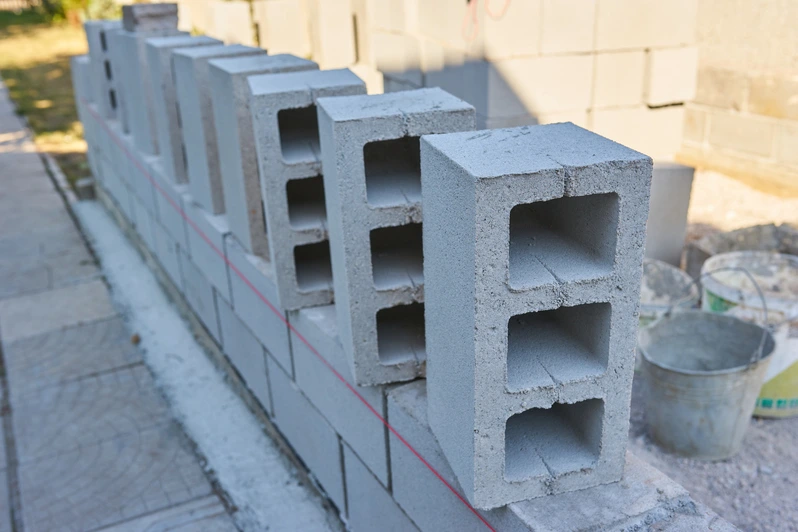
Precast concrete is poured into molds in a controlled factory environment, cured, and then shipped to the construction site ready for installation. Unlike on-site pours, precast elements are produced in a range of shapesbeams, columns, panels, precast walls, and decorative façades—often with integrated reinforcement and finishes.
Key features:
Controlled curing conditions → consistent strength and durability
Design versatility → complex geometries that are hard to achieve on site
Recyclable and low-waste → factory waste is minimal, and the products can often be reclaimed at the end of their life cycle
These traits combine to deliver the Benefits of Precast Concrete in Construction that many stakeholders now rely on.
1. Faster Project Delivery
Time is money in construction. Every extra day on a job site costs labor, equipment rentals, and sometimes even penalties. Precast concrete cuts the timeline dramatically because most of the work happens in a single, well-planned production run.
How it Works
Simultaneous site prep and production – While site crews prepare foundations, the precast factory pours and cures elements.
Reduced downtime – No need to wait for weather to dry or for concrete to reach the required strength before lifting.
Real-World Example
A multi-story office building in downtown Chicago finished its structural frame in just 12 weeks—half the time it would have taken with traditional methods. The precast factory supplied all the tower’s columns and floor panels, allowing the on-site crew to focus on rebar placement and finishing work.
Benefits of Precast Concrete in Construction
Shorter construction schedule
Lower labor costs
Faster revenue generation for developers
2. Superior Quality and Consistency
In a factory setting, temperature, humidity, and mixing ratios are tightly controlled. That level of precision isn’t always achievable on a bustling site where weather can swing from heat to rain.
Homogeneous mix – No variation in aggregate distribution.
Accurate curing – Temperature-controlled chambers ensure optimum strength gain.
Minimal shrinkage cracks – Factory- cured elements are less prone to the type of cracks that can appear on-site.
A Case Study: The City Hall Renovation
During a historic city hall renovation, the contractor used precast concrete panels to replace deteriorated masonry. The panels were cast to exact dimensions, eliminating the need for costly on-site adjustments. The result: seamless façade, no shrinkage cracks, and a preservation-grade finish that matched the original architecture.
3. Enhanced Safety
Construction sites are hazardous places: heavy equipment, high temperatures, and the risk of concrete slips or fall hazards. Precast concrete reduces many of those risks.
Less on-site mixing – Eliminates the need for bulk mixers and associated dust.
Controlled environment – Workers handle prefabricated units, reducing exposure to high temperatures and hard-to-reach work zones.
Standardized components – Predictable handling and lifting reduces errors.
Benefits of Precast Concrete in Construction
Fewer on-site accidents
Cleaner work environment
Reduced compliance costs for safety regulations
4. Design Flexibility & Aesthetic Appeal
Because pre-fabricated elements can be produced with precise shapes, colors, and textures, designers can push creative boundaries. Precast concrete can mimic stone, glass, or even irregular organic forms—all while maintaining structural integrity.
Surface finishes – Polished, textured, stamped, or stained surfaces.
Integrated systems – Pre-rigging for HVAC, electrical conduits, or plumbing channels.
Complex geometries – Curved facades, cantilevered balconies, or lattice structures.
Example: The “Wave” Building
A residential tower in Los Angeles used precast panels to create a twisting façade that resembles waves. The panels were cast with a unique spiral pattern, giving the building a standout visual identity that would have been near impossible—or at least impractical—to achieve on-site.
5. Environmental Sustainability
Precast concrete is often touted as a greener choice, and for good reason. Factory production allows for more efficient use of materials, fewer waste streams, and lower overall energy consumption.
Key Sustainability Points
Reduced on-site waste – Precise mixing cuts down excess concrete.
Recycling potential – At end of life, precast panels can be crushed and reused as aggregate.
Energy efficiency – Controlled curing reduces the energy needed to bring concrete to required strength.
A study by the American Concrete Institute found that precast construction can cut embodied carbon by up to 20% compared to conventional cast-in-place methods.
6. Cost Predictability
Because the majority of work happens in a controlled environment, the cost structure is more transparent. You’re less likely to encounter unforeseen delays that push budgets over.
Fixed production costs – Factory quoting is straightforward.
Lower labor rates – Off-site production can be done with less skilled labor than high-rise on-site crews.
Reduced insurance premiums – Fewer on-site hazards lower liability exposure.
Benefits of Precast Concrete in Construction
Predictable budgeting
Fewer change orders
Faster project financing approval
7. Durability & Low Maintenance
Precast concrete is engineered for long-term performance. Because the mix is optimized and the curing process is controlled, these elements resist water infiltration, freeze-thaw cycles, and chemical attack better than many on-site pours.
Long life span – Many precast panels can last 50+ years without significant repair.
Low maintenance – Smooth surfaces resist staining and require minimal cleaning.
Resilience to extreme weather – Ideal for coastal or high-humidity locations.
A precast bridge in New York’s East River demonstrated this durability: after 25 years, the bridge required only routine cleaning, with no major structural issues.
8. Space Optimization on Site
In urban environments where space is at a premium, precast concrete can dramatically reduce the footprint of construction activities.
Minimal on-site work – Once the elements arrive, installation is quick.
No need for large staging areas – Less equipment and material storage required on-site.
Reduced traffic disruptions – Fewer deliveries and smaller freight vehicles.
9. Seamless Integration with Modern Construction Methods
Precast concrete is not a stand-alone solution; it works well with modular construction, Building Information Modeling (BIM), and other modern building technologies.
BIM compatibility – Precise dimensions and placements integrate seamlessly into digital models.
Modular assembly – Precast walls and floors can form a structural “frame” that modules attach to.
Smart building systems – Integrated conduits and cable channels within precast panels reduce the need for subsequent on-site installation.
Drawbacks: Considerations Before Choosing Precast
Not every project is a perfect fit for precast concrete. Some limitations to keep in mind:
Portability limits – Heavy elements may be difficult or costly to transport if the site is remote.
Initial design phase – Requires more detailed planning and coordination with the factory.
Site restrictions – Existing structures or limited access may constrain delivery and installation.
When these factors are weighed against the Benefits of Precast Concrete in Construction, many projects still find a net advantage.
Frequently Asked Questions
| Question | Answer |
|---|---|
| How do precast panels handle seismic loads? | They’re engineered with reinforced cores and can be designed to meet seismic codes, providing resilience even in earthquake zones. |
| Can I repair a damaged precast panel on site? | Yes, but it often requires removing the panel and replacing it. Repairing on-site is possible with specialized techniques such as epoxy bonding. |
| Is precast concrete more expensive than cast-in-place? | Initial unit costs can be similar or slightly higher, but when factoring in time savings, reduced labor, and lower overhead, precast often comes out cheaper overall. |
The Bottom Line
The Benefits of Precast Concrete in Construction are as diverse as the projects that employ them. From speed and safety to design freedom and sustainability, precast concrete is reshaping how builders, architects, and developers think about structure and form.
Speed – Projects finish faster, boosting revenue and client satisfaction.
Quality – Factory control delivers consistent, high-strength elements.
Safety – Fewer on-site risks protect workers and lower insurance costs.
Design – Complex shapes and finishes become achievable without compromise.
Sustainability – Controlled production reduces waste and embodied carbon.
When you’re planning a new build, consider precast concrete not just as a material, but as a strategic partner that can help you deliver a stronger, safer, and more beautiful structure—on time and on budget.
Ready to Explore Precast?
If you’re intrigued by the Benefits of Precast Concrete in Construction and want to see how they can apply to your next project, reach out today. Our team of precast specialists can walk you through design options, cost analyses, and the entire implementation process. Let’s build something extraordinary—one precast element at a time.